Research techniques you can use with AI.Not just prompts — a process.

A 2–3 hour mini workshop where we go through AI-assisted research and analysis techniques step by step. Where does AI help? Where do you need to think for yourself? We figure it out together, on a topic you choose.

Recently piloted. Looking for teams and individuals to run it with.

Book a Call

The Problem

AI tools are fast. But “fast” isn't the same as “good.” You get summaries you can't verify. Insights without sources. Reports that sound confident but might be hallucinated.

The techniques for working critically with AI exist — but they're scattered across papers, threads, and tools nobody teaches together. This workshop puts them in your hands, end to end.

What Happens in the Workshop

We pick a topic together — your topic, your sources, your questions. Then we work through the full research cycle with AI, technique by technique.

🔍

Collect & Verify

Process sources through AI, extract claims with exact quotes, and learn to check what's real with 3-Layer Verification.

Source exists? Says what's claimed? Used in right context?
4 Hallucination Red Flags: Percentage, Timeline, Scope, Convenience Tell
🧠

Analyze & Challenge

Structure insights, check your own biases, classify what's a real trend vs noise. We use games to make this stick.

Hallucination Hunter — spot the fake claims before they spot you
Bad Idea Bingo — find the good idea hidden among deliberately bad ones
Bias Checker — what are you missing in your own analysis?
🎬

Build & Storyboard

Turn findings into something actionable. Build scenarios, create storyboards, generate a shareable report — all from your own research.

Scenario storyboards from your research data
Structured report with confidence ratings on each finding

Spot the Hallucination

5 claims. Some are real, some are fabricated, some are subtly distorted. Can you tell which is which?

According to McKinsey’s 2023 State of AI report, 63% of executives say they don’t fully trust AI-generated content in client deliverables.

A 2024 Stanford study found that teams using AI verification checklists caught 78.3% more errors than teams without any review process.

Buçinca et al. (2021) at Harvard demonstrated that cognitive forcing functions reduced overreliance on incorrect AI recommendations.

The global AI hallucination detection market grew 318% between 2023 and 2025, reaching $4.2 billion by end of 2025.

RAG reduces AI hallucination rates by 71% when properly integrated, according to a 2024 peer-reviewed meta-analysis in Nature Machine Intelligence.

What You Leave With

Research findings — structured and actionable
Reusable prompts and workflows for your own projects
3-Layer Verification checklist
4 Hallucination Red Flag cards
Storyboard and scenario templates
A process you can modify and repeat

Format

Duration

2–3 hours, depending on topic

Topic

You choose — we work on your actual research question

Who

Individual or team (max 12)

Format

Online, hands-on, interactive

Tools

Claude, NotebookLM, Motto Workshop Games

Pilot

Recently tested — demo went well, now booking sessions

Try the Games

These are some of the games from the workshop. Try them now, no account needed.

Play the Games →

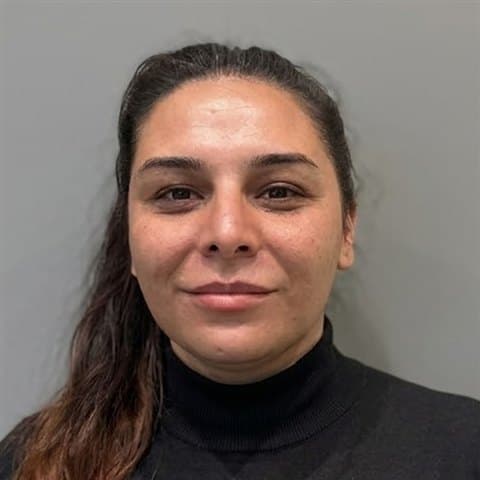
Pelinsu Pelit

Over 10 years across fintech, travel, and productivity. I research by making and learn by teaching. I work across discovery research, usability evaluation, and design thinking facilitation — and increasingly in the overlap between research practice, service design, and AI tooling.

Want the details?

Leave your email and I'll send you the workshop overview — what we cover, how it works, and how to book. No spam, just the info.

Interested?

Book a call and I'll walk you through the workshop, answer questions, and we'll find a date that works.

Book a Call